

When EMS leaders evaluate an EMT training program, one of the first numbers they may look at is the cost of the course.
But tuition is only one part of the investment.
At Best Practice Medicine, we believe the true measure of successful EMT education is whether students are Response Ready when they clock in for their first shift: confident, prepared, and equipped to respond when seconds count and lives are on the line.
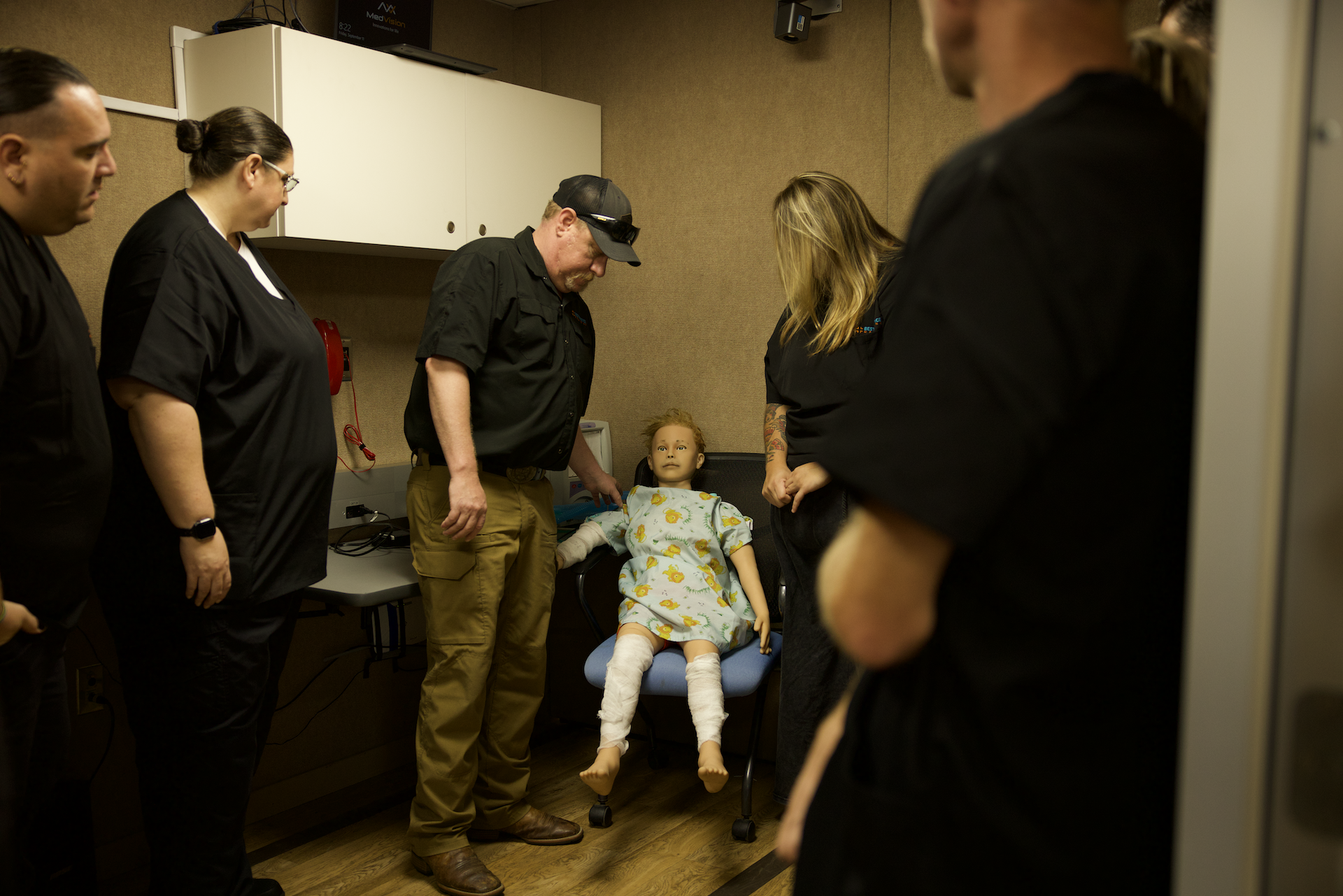
That level of readiness takes more than learning from behind a computer screen or preparing to pass an exam. It requires hands-on, face-to-face instruction, realistic scenarios, and practical experience that prepares students to care for real patients in real emergencies.
For EMS organizations, that raises an important question: Are you simply paying for training, or are you investing in clinicians who are truly prepared for the job?
An inexpensive training program can become costly very quickly when it doesn't produce the intended outcome.
At Best Practice Medicine, our most recent EMT class achieved a 100% pass rate. We're proud of that result, but the number itself isn't the whole story.
It provides an opportunity to look at what successful EMT education should accomplish—and how EMS organizations should think about the true return on their training investment.
The Cost Doesn't End With the Course
Consider what goes into developing a new EMT.
An organization may spend time and resources recruiting candidates, coordinating schedules, providing or paying for education, managing employees while they're in training, and planning future staffing around their expected completion.
If a student doesn't successfully complete the program, much of that investment has already been made.
The organization may then have to repeat some or all of the process.
That can mean additional training expenses, continued vacancies, overtime for existing employees, delayed staffing plans, and more time spent recruiting the next candidate.
For organizations running their own EMT academies, the same principle applies at a larger scale. Filling a classroom doesn't necessarily mean you've solved a workforce problem.
The outcome matters.
Completion Is Only Part of the Equation
A successful EMT program shouldn't simply move students through a curriculum.
It should prepare them for what comes next.
EMS is a hands-on profession, and the responsibility that comes with it is personal. We encourage students to picture the person they love most in the world and approach their training with that person in mind. After all, every patient is someone's loved one, and every EMT should be prepared to provide the level of care they would want for their own family.
Students need to understand the material, but they also need opportunities to apply it, make decisions, build confidence, and develop skills that translate to patient care.
That's why Best Practice Medicine's approach to education emphasizes experienced instructors, hands-on learning, and realistic scenarios alongside the foundational knowledge students need.
The goal is to prepare capable clinicians who understand both the responsibility and the realities of the profession.
Why a 100% Pass Rate Matters
Our latest EMT class achieved a 100% pass rate, reflecting the strength of their preparation and the practical skills developed throughout the program.
For students, that's an accomplishment worth celebrating.
For EMS leaders, it's also a useful reminder to look more closely at the outcomes their training programs are producing.
If your organization is investing in EMT education as part of its workforce strategy, consider asking:
- How many students who begin training successfully complete it?
- How well does the program prepare them for certification?
- What resources are required when students don't successfully complete training?
- How quickly can successful graduates transition into the workforce?
- Does the training prepare students for the realities they'll encounter in the field?
Those questions provide a much more complete picture of training value than the initial course price alone.
Training Is a Workforce Investment
Across EMS, recruiting and retaining qualified clinicians remains an operational priority.
Education is part of that equation. Knowledge and experience work together to build the judgment and confidence clinicians need in the field. A strong EMT training program should provide both.
There are less expensive training options available, and students may successfully complete those programs and earn their certifications. But passing an exam doesn't necessarily mean someone is prepared to respond to a real emergency.
Can you confidently rely on training that takes place primarily behind a computer screen to prepare someone for the realities of patient care?
At Best Practice Medicine, we believe hands-on, face-to-face education helps develop capable clinicians who can transition into their roles with greater confidence and potentially require less on-the-job training. Better preparation may also help organizations reduce operational risks associated with an underprepared workforce.
When organizations treat training solely as an expense to minimize, they risk overlooking its role in developing the workforce they need.
A strong education program can help create a more reliable path from candidate to classroom to Response Ready EMT.
That means the conversation shouldn't begin and end with:
“How much does the course cost?”
A better question is:
“What are we getting from that investment?”
Because the true cost of EMT training isn't simply what you spend to put someone in a classroom.
It's what it takes to produce someone who's ready to leave it.
Build a Stronger Path Into EMS
Best Practice Medicine provides EMS education designed around practical skills, experienced instruction, and preparation for the realities of patient care.
But don't just take our word for it. Ask the proctors who evaluate our students and see firsthand how their training translates into practical skills and clinical readiness.
Whether you're an individual beginning your EMS career or an organization looking for a stronger approach to workforce education, we're ready to help.
Explore Best Practice Medicine's education programs at bestpracticemedicine.com.